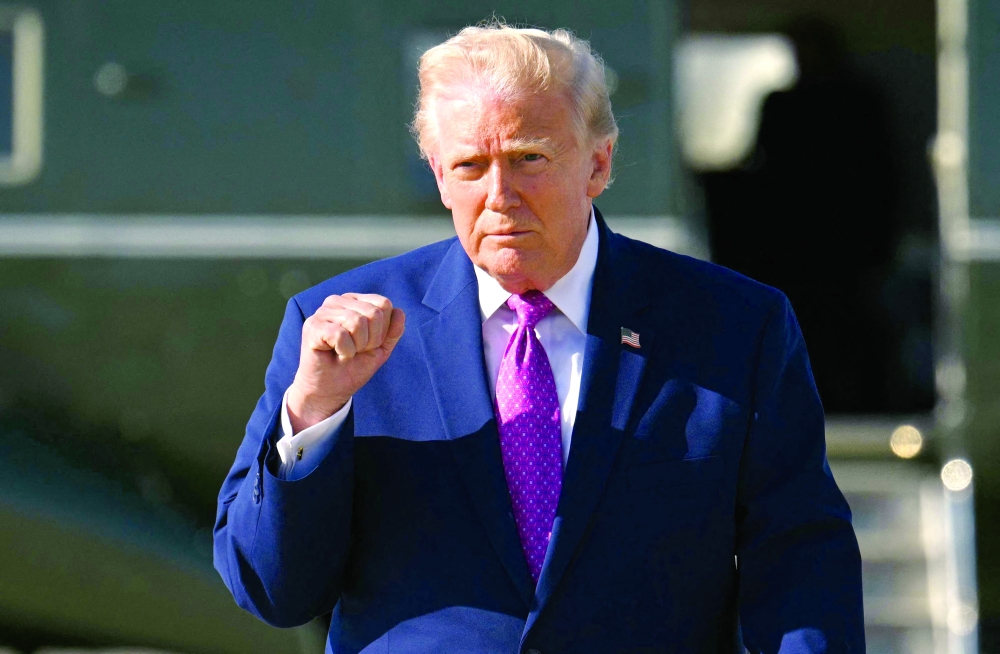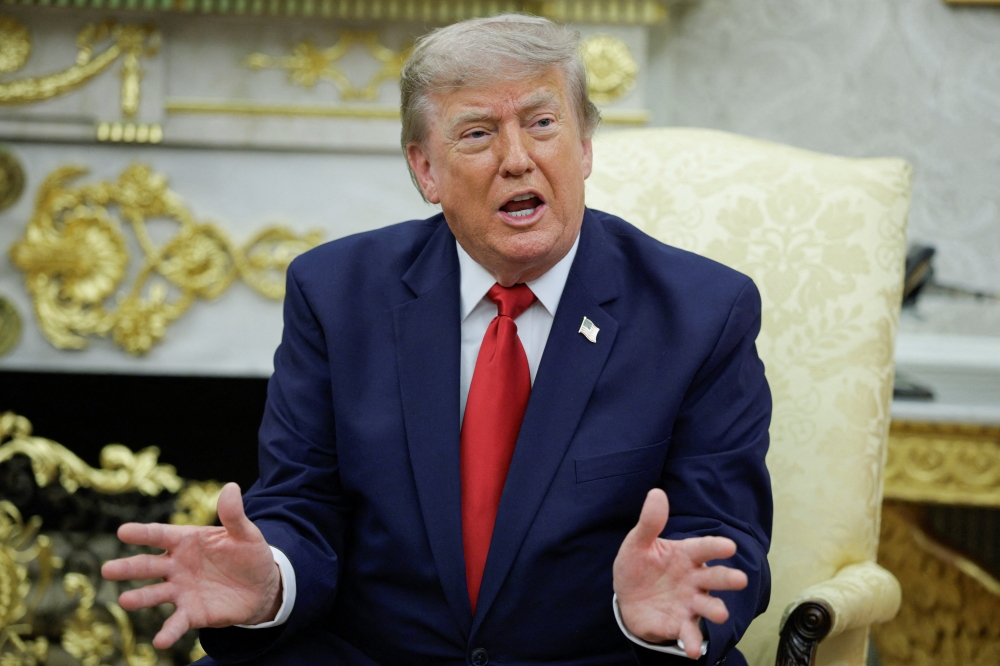





President Donald Trump on Tuesday walked back his statement that the United States would levy steep fees on cargo shipped through the Strait of Hormuz, adding to a string of about-faces that have highlighted his lack of a clear path out of the war with Iran.
Trump’s reversal came just one day after he announced that the United States would charge fees worth 20% of a ship’s cargo, despite months of public insistence from his own administration that any such fees would violate international law.
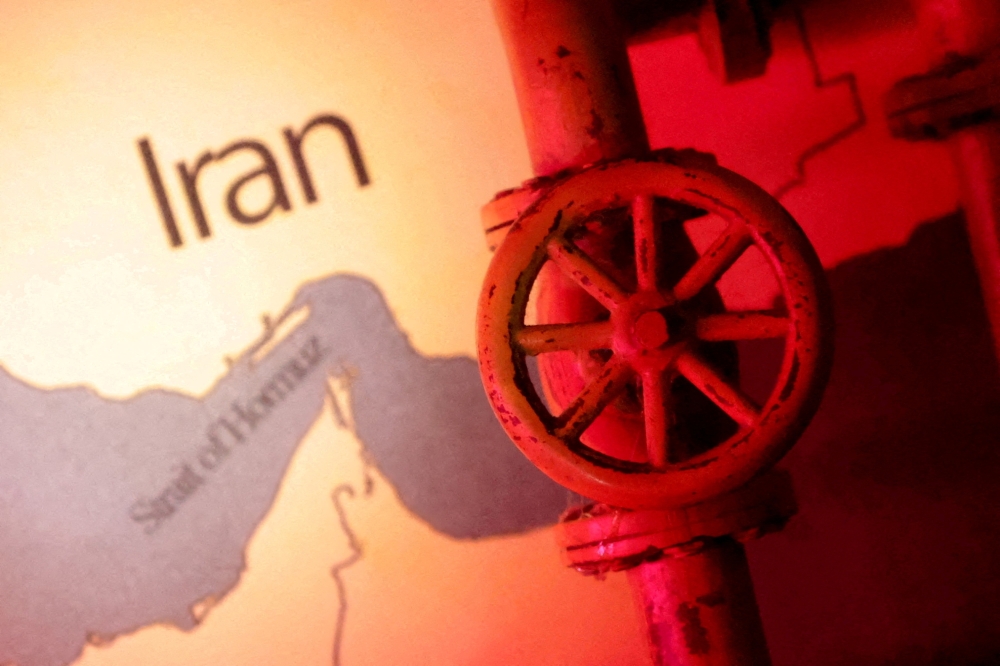
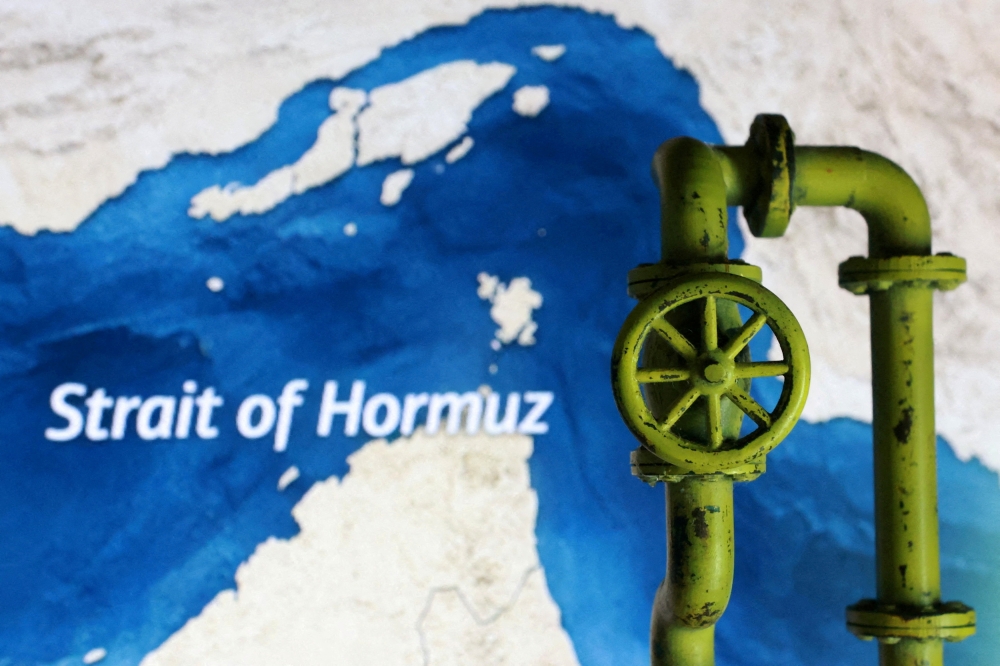
Trump has decided instead to move forward with trade and investment deals with Gulf states, he said Tuesday. The idea of such deals, the details of which remain scarce, is the latest turn in an intensifying battle between Iran and the United States to control the Strait of Hormuz, a crucial artery for global energy supplies. The two countries have traded attacks over the waterway for the past week, in effect shattering their month-old ceasefire and sending oil prices on a roller coaster.
Here’s what to know.
What did Trump say?
Trump announced his reversal in a lengthy social media post Tuesday.
“Based on highly productive conversations with Middle East leadership, I have decided to replace the 20% United States Reimbursement Fee with Trade and Investment Deals that the various Gulf States will be making with the United States,” Trump wrote on Truth Social, his social media platform.
Trump later told reporters in the Oval Office that various “kings and emirs” of Gulf allies had called him and persuaded him to allow them to invest in U.S. companies instead of paying the fees, which experts said could more than double the cost of shipping oil through the strait if levied at 20%.
“I don’t think anybody should be able to charge a fee for the strait,” Trump said, adding that he felt his new plan was “much better.”
When he initially announced his plan for the toll, the president had described it as a way for the United States to recover the cost of providing military protection to vessels using the waterway. It was “a matter of FAIRNESS,” he wrote in a social media post.
In walking back the notion, Trump wrote that the United States was set to restart a “FULL Blockade” of Iranian ports and that the strait was “open to ALL Ship traffic except for Iran.” (In fact, shipping traffic through the waterway has nearly entirely ceased as the two countries exchange strikes.)
What had Trump administration officials said about a U.S. toll?
After Iranian officials repeatedly said that they intended to monetize the strait, senior U.S. officials, including Vice President JD Vance and Secretary of State Marco Rubio, spent months insisting that the Trump administration was vehemently opposed to the imposition of any tolls or fees in the waterway.
“No country is allowed to charge tolls or fees on an international waterway. That’s existing international law,” Rubio said.
This didn’t deter Trump from announcing his own toll. He raised the possibility last month after signing a temporary ceasefire agreement with Iran, even though that deal included language that Tehran has interpreted to mean it has authority over the strait. The memorandum of understanding also said that no country would collect tolls for 60 days, though it left open the possibility of such charges beyond that.
Oil prices had climbed to their highest level in a month, $87 a barrel, before falling Tuesday to $81 after Trump dropped his fee plan. It was about $72 a barrel before U.S. and Israeli forces started attacking Iran in late February.
Oil shipping routes have been a central focus of the fighting between Iran and the United States.
U.S. Central Command, which oversees U.S. forces in the Middle East, said on Tuesday that it was restarting a naval blockade of Iranian ports, which had been in effect from April 13 to June 18, in an effort to thwart Iran’s oil exports and weaken its economy.
The U.S. military added that its strikes on Iran in recent days were intended to degrade the Iranian military’s ability to target commercial ships in the strait. But Iran’s attacks have not stopped.
Iran’s Revolutionary Guard said overnight that it had fired on two tankers registered to the United Arab Emirates after they attempted to transit the strait near the coast of Oman rather than through Iranian-controlled waters. Iran has warned commercial vessels to only use routes it has approved.
The Indian Foreign Ministry said in a statement that 30 of the 46 crew members on the two targeted tankers were Indian citizens. One Indian seafarer was killed, and 10 others were injured, two seriously, the ministry said.
“We strongly condemn these attacks and acts of violence targeting seafarers and disrupting free and safe navigation through international waterways like the Strait of Hormuz,” the Indian Foreign Ministry said, adding that it had lodged a “strong protest” with an Iranian diplomat in New Delhi.
It was not the first time that Indian sailors had suffered in the violence between the United States and Iran. An Indian crew member of a Cyprus-flagged ship has been missing since it was hit by an Iranian strike over the weekend. Last month, the Indian government said a U.S. strike on a commercial tanker in the Sea of Oman killed three Indian sailors, and it lodged an official protest with the United States.
Only 10 ships passed through the strait on Monday — the smallest daily total in more than a month and far fewer than the roughly 130 vessels that transited daily before the war, according to Kpler, a maritime tracking company.
Air travel has also been affected by the increased fighting between Iran and the United States. The European Union’s aviation safety regulator on Tuesday warned airlines to avoid the airspace of Bahrain, Kuwait, Qatar, the UAE and part of the Sea of Oman. Attacks in those areas, it said, posed a “high risk to civil flights.”
This article originally appeared in The New York Times.
Oman Observer is now on the WhatsApp channel. Click here